
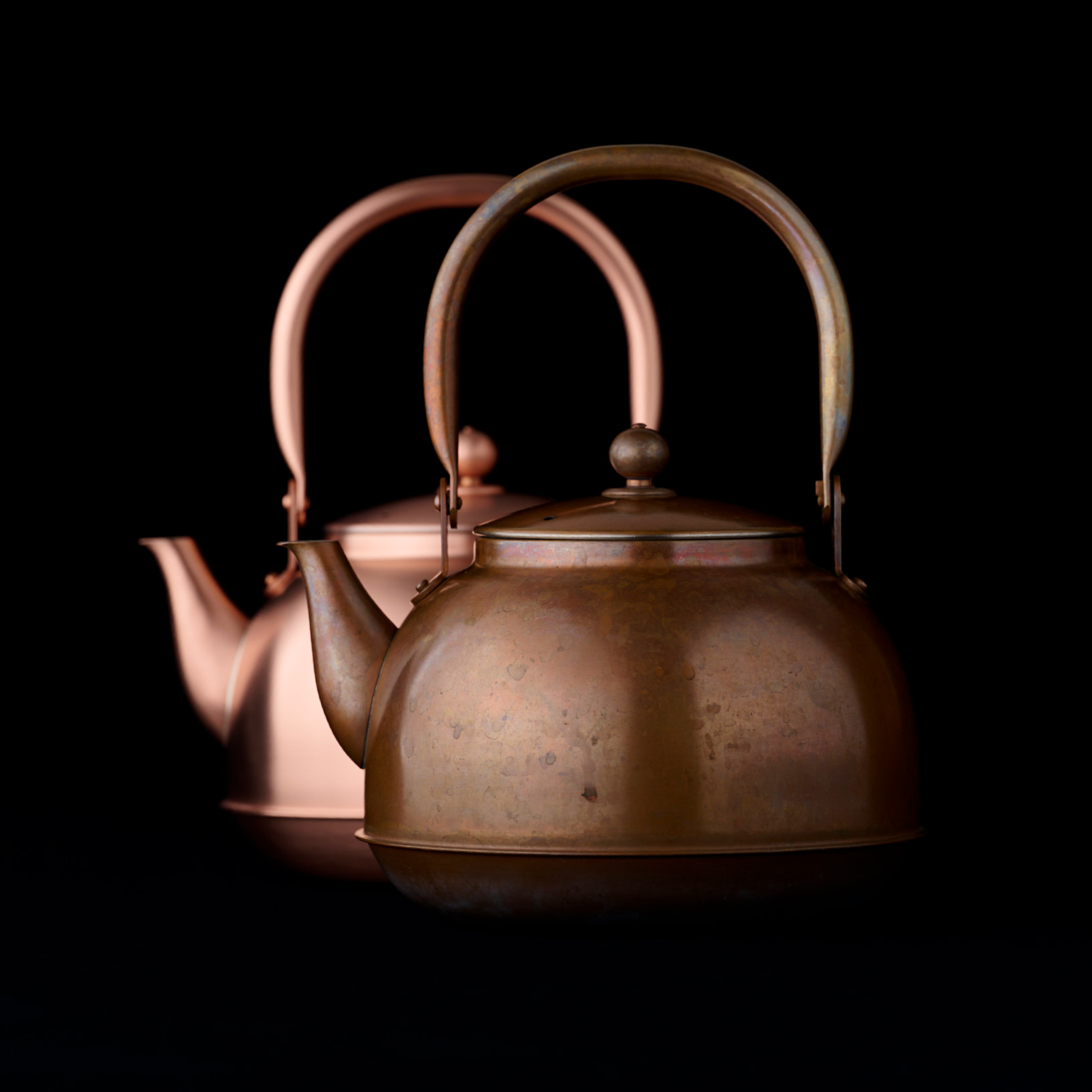
Until We Meet Again, Three Hundred Years From Now
Azmaya & Osamu Saruyama
Japanese Tools, Craft and Design Exhibition
15 Oct – 6 Nov 2026
Time & Style Milan
14 Nov – 30 Dec 2026
Time & Style Amsterdam
Things That Endure Beyond Time
When I speak with Takehiro Kumata of Azmaya and Osamu Saruyama, I often feel that what they think about in their work is deeply connected to what we ourselves contemplate every day as we make things. It is not about creating something distinctly Japanese, nor is it simply about preserving traditional crafts. What we share is something more fundamental: questions like, Why do we make things? Why do we use them? And how does time accumulate in the things we make accumulate over the course oftime within our lives?
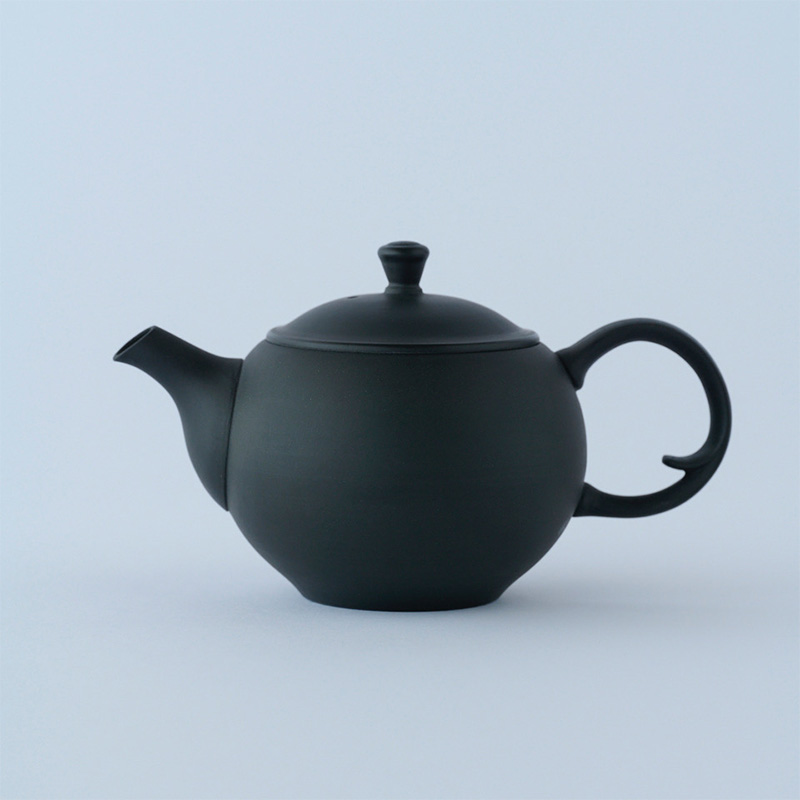
Kumata often speaks of “being honest with materials.” Wood should remain wood, iron should remain iron, and clay should remain clay. ThisIt means embracingaccepting the inherent nature of each material rather than concealing it for the sake of convenience or efficiency. Wood will become scratched, iron will rust, and surfaces will change their colour with time. Rather than resisting these changes, we live with them. Behind this way of thinking lies a sensibility that has existed in Japan for centuries: rather than attempting to completely control nature, we move a little closer towards it and allow ourselves to live ain accordance with its innateccording to its character. I sense something very similar in the work of the designer Osamu Saruyama. The objects Saruyama creates rarely assert themselves. They are quiet and restrained, and at first glance they can seem as though they have always existed. Yet when we look more closely, we discover an accumulation of extremely subtle decisions —in their proportions, contours, thicknesses, and the way they feel in the hand. Rather than inventing new forms for the sake of novelty, Saruyama looks carefully at forms that people have used over long periods of time. He removes what is unnecessary and quietly places them back into contemporary life. It is a form of design so discreet that even the traces of having been “designed” seem to disappear.
Kumata says that one of the measures by which he judges the things Azmaya makes is whether they could sit naturally on the same table as an object made a thousand years ago. At the same time, he imagines the things Azuma they makes today appearing in an antique shop a hundred or two hundred years from now. I am deeply drawn to this idea. Contemporary manufacturing constantly asks us to create something new, consume it within a short period of time, and then replace it with the next new thing. But what does it really mean for something to be new? Perhaps it is far more contemporary to create something that can exist naturally beside an object made a hundred years ago, and thatthat, a hundred years from now, someone may still pick up and continue to use a hundred years from now. Azmaya’s way of making is not founded upon the expression of a single designer. There are people who prepare the materials, craftspeople who work with them, Kumata, Saruyama and many others. Their different experiences and knowledge come together and gradually take the form of a single object. Kumata describes this as an “orchestra.” It is not about allowing one voice to become louder than the others. Each voice retains its own character while contributing to a greater harmony. I believe this is one of the essential qualities of Japanese making. Throughout Japan, there are generations of people whose names may never become widely known, yet who have devoted generations themselves to a particular material, technique or tool. But these skills cannot remain alive simply by being preserved in museums. The things must be used. They must continue to be ordered and made. And the craftspeople who make them must be able to sustain their lives through their work. For Kumata, therefore, selling things and preserving culture are not separate activities. Profit is not the purpose. It is a means by which culture can be carried forward to the next generation. This way of thinking is deeply connected to the reasons why Time & Style has continued to make things in Japan.
The reason we wanted to present the work of Azmaya and Osamu Saruyama in Milan and Amsterdam is not simply to introduce beautiful Japanese objects for daily everyday life to Europe. We wanted to share the question that lies behind them: What do we wishant to leave for the future? Objects can sometimes live longer than people. A vessel used every day by one person may remain after that person is gone, eventually finding its way into the life of someone else. Within that object, time quietly accumulates—the time of the person who made it, the person who used it, and the person who later inherited it. The things created by Kumata and Saruyama possess a certain openness to time. They are not complete at the moment when they are new. They are used. They are scratched. Their colours change. They absorb the memories of the people who live with them, and only gradually do they become complete. Perhaps this is why their objects are so quiet. They have no need to raise their voices or insist upon their own presence. They simply exist, supporting everyday life and becoming more beautiful with time. Through this exhibition, we hope to convey this way of making—this particular relationship between objects, people and time—from Japan to Milan and Amsterdam. And three hundred years from now, even if our names have been forgotten, perhaps some of the things gathered here will still remain somewhere in the world, quietly being used as part of someone’s everyday life. For those of us who make things, I can imagine no greater happiness.
Ryutaro Yoshida (Time & Style)
時間を超えて残るもの
東屋の熊田剛祐さん、そして猿山修さんと話をしていると、私たちが日々ものをつくる中で考えていることと、深いところでつながっていることを感じます。それは、日本的なものをつくるということでも、伝統工芸を保存するということでもありません。私たちが共通して見つめているのは、もっと根源的なことです。なぜ、ものをつくるのか。なぜ、それを使うのか。そして、つくられたものが人間の暮らしの中で、どのように時間を重ねていくのか。
熊田さんは「素材に嘘をつかない」と言います。木は木として、鉄は鉄として、陶土は陶土として、それぞれの素材が本来持っている性質を受け入れる。使いやすさや効率のために、その性質を覆い隠すのではなく、傷つくことも、錆びることも、色が変わることも含めて、その素材と付き合っていく。そこには、人間が自然を完全に支配しようとするのではなく、自然の側に少し歩み寄って暮らすという、日本に古くから存在してきた感覚があります。そして私は、デザイナーの猿山さんの仕事にも同じものを感じます。猿山さんが生み出すものには、強く自分自身を主張するような造形がほとんどありません。静かで、抑制されていて、一見すると、昔からそこに存在していたようにも見える。しかし、よく見ると、寸法や輪郭、厚み、手触りといった細部に、非常に繊細な判断が積み重ねられています。新しい形を発明することよりも、長い時間の中で人間が使い続けてきた形を見つめ、その中から余分なものを取り除き、現代の暮らしにもう一度置き直す。そこには「デザインした」という痕跡さえ残さないような、静かなデザインのあり方があります。
熊田さんは、自分たちがつくったものが「1000年前につくられたものと同じ食卓に置かれても違和感がないこと」を大切にしていると言います。そして、100年、200年後に骨董店に並んでいる姿を想像しながらものをつくる。私はこの考え方がとても好きです。現代のものづくりは、常に新しいものを生み出し、それを短い時間の中で消費し、また次の新しいものへと置き換えていくことを求められます。しかし、本当に新しいものとは何なのでしょうか。100年前のものと今日つくられたものが自然に同居し、さらに100年後にも誰かがそれを手に取り、使い続けることができる。そのようなものを生み出すことの方が、はるかに現代的なのではないかと私は思います。東屋のものづくりは、一人のデザイナーの表現によって成立しているものではありません。素材をつくる人がいて、職人がいて、熊田さんがいて、猿山さんのような人がいて、それぞれの経験や知識が重なり合い、一つのものになっていく。熊田さんはそれを「オーケストラ」と表現しています。誰か一人の声を大きくするのではなく、それぞれの音が互いを消すことなく、一つの調和をつくる。私はそこに、日本のものづくりの非常に大切な特徴があると思っています。日本には、名前を知られることなく、何世代にもわたって一つの素材、一つの技術、一つの道具と向き合い続けてきた人たちがいます。その技術は、美術館に保存するだけでは生き続けることができません。使われなければならない。注文されなければならない。そして職人が、その仕事によって生活できなければならない。だから熊田さんにとって、ものを売ることと文化を守ることは別々のことではありません。利益は目的ではなく、文化を次の世代へ渡していくための手段である。この考え方は、Time & Styleが日本でものづくりを続けてきた理由とも深く重なります。
私たちが今回、ミラノとアムステルダムで東屋と猿山修さんの仕事を紹介したいと思ったのは、日本の美しい日用品をヨーロッパに紹介したいからだけではありません。その背景にある、一つの問いを共有したいからです。私たちは何を未来に残したいか。ものは、人間より長く生きることがあります。誰かが毎日使った器が、その人がいなくなったあとも残り、別の誰かの生活の中で再び使われる。そこには、つくった人、使った人、そしてそれを受け継いだ人の時間が静かに積み重なっていきます。熊田さんと猿山さんがつくるものには、その時間を受け入れる余白があります。新品である瞬間が完成なのではなく、使われ、傷つき、色が変わり、人の記憶を受け入れながら、少しずつ完成していく。だからこそ、彼らのものは静かなのだと思います。大きな声で自分の存在を主張する必要がない。ただそこにあり、人の暮らしを支え、時間とともに美しくなっていく。今回の展覧会を通して、私たちはそのような日本のものづくりの姿を、ミラノとアムステルダムで伝えたいと思います。そして300年後、私たちの名前が忘れられたとしても、ここにあるもののいくつかが、世界のどこかで誰かの日常の中に残っていたなら。それは、ものをつくる人間にとって、とても幸福なことなのではないでしょうか。
吉田 龍太郎 (Time & Style)

Azmaya
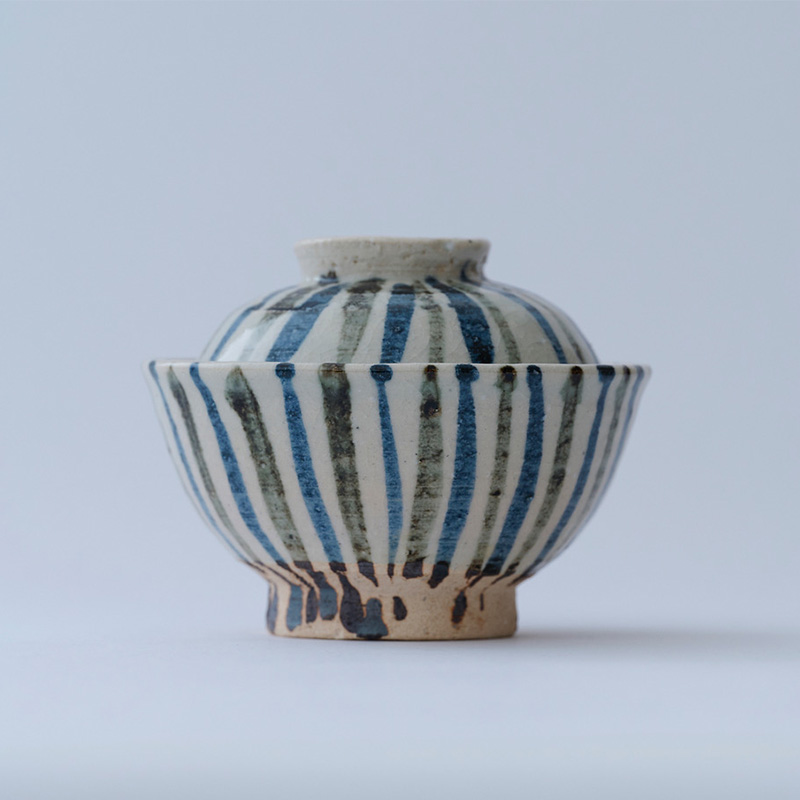
Founded in 1997, Azmaya brings together Japan’s handcraft to deliver lifelong daily goods. Operating from the heart of Tokyo, the brand collaborates with over 70 artisans, designers, and small workshops across the country to create housewares in a wide range of materials — pottery, woodwork, metal, glass, and lacquer — preserving techniques that might otherwise be lost while giving them new life in the everyday.
Osamu Saruyama
Director of the design studio Guillemets Layout Studio, Osamu Saruyama works across a broad spectrum of graphic, product, and spatial design. In addition to providing design direction for ceramic kilns and other production sites throughout Japan, he has engaged in numerous collaborations with artists working in ceramics, metalwork, and related crafts. He also pursues work in music composition and performance for theatre, film, and exhibitions.
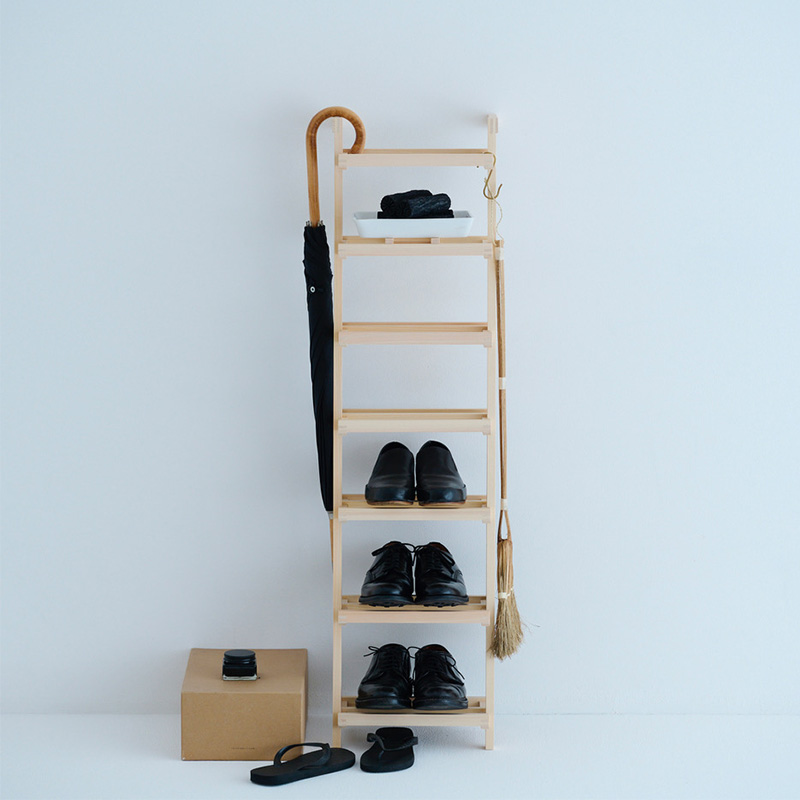
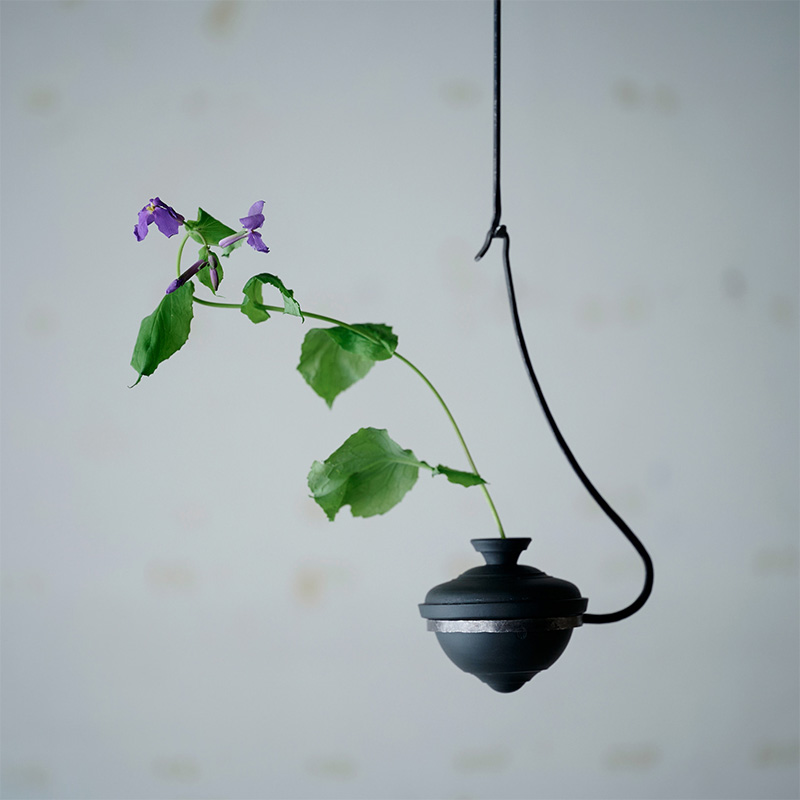
Photo by Wakana Baba
Until We Meet Again, Three Hundred Years From Now
Exhibition at Milan
15 Oct – 6 Nov 2026
Opening Event
Thu, 15 Oct
17:00 – Japanese Tea & Cocktail
Closing Event
Thu, 5 Nov
17:00 – Japanese Tea & Cocktail
19:00 – Roundtable Talk
> Takehiro Kumata (Azmaya)
> Osamu Saruyama
> Ryutaro Yoshida (Time & Style)
Time & Style Milan
Largo Claudio Treves 2, Milan
Tel:+39 02 49658 560
Mail : milan@timeandstyle.com
Open: 10:00 – 19:00 (Mon – Sat)
Sunday closed
Until We Meet Again, Three Hundred Years From Now
Exhibition at Amsterdam
14 Nov – 30 Dec 2026
Opening Event
Sat, 14 Nov
16:00 – Japanese Tea & Cocktail
16:30 – Roundtable Talk
> Takehiro Kumata (Azmaya)
> Osamu Saruyama
> Ryutaro Yoshida (Time & Style)
Marnixstraat 148, 1016 TE Amsterdam,
The Netherlands
Tel:+31 (0)20 210 3176
Mail : amsterdam@timeandstyle.nl
Open: 10:00 – 18:00 (Mon – Sat)
Sunday closed (Open Sun 15 Nov)